

Tools, Machines and Metal Swaging Techniques
Sheet metal swaging is one of those processes that sits quietly behind a huge number of everyday components. If a tube needs a reduced end, a rod needs a precise taper, or a formed part needs a feature that spinning or pressing cannot deliver cleanly, metal swaging is often the answer. It is a cold-forming method, so the metal is reshaped rather than cut away, which keeps grain flow intact and can improve strength at the formed zone.
At Tanfield Metal Spinners we use swaging alongside spinning, pressing and fabrication, so a single component can move through several processes under one roof. This article explains how sheet metal swaging works, which tools and machines are involved, and where the process earns its place in production.
What is metal swaging?
Metal swaging is a cold-forming technique that forces metal into a die so the workpiece takes on the die’s profile. The name is often pronounced “swedging”. Force can come from rotary dies, reciprocating hammers, or a combination of rollers and split dies inside a machine cage. Because heat is not required for most jobs, the process is energy-efficient and avoids the scale and distortion that come with hot work. That is one reason we group it with other cold forming methods rather than treating it as a stand-alone curiosity.
Typical outcomes include:
A common industrial use is closing or pointing a tube so it can be assembled, sealed or routed more easily. That is why aerospace, safety equipment, air movement and pressure-vessel work all make regular use of the process.
How sheet metal swaging differs from spinning and pressing
Metal spinning starts with a flat blank and forms it over a rotating mandrel. Metal pressing uses a hydraulic or mechanical press and matched tooling to stamp or draw a shape. Sheet metal swaging is different again: the workpiece is usually already a tube, rod, wire or pre-formed shell, and the change in section is local rather than a complete redraw of the part.
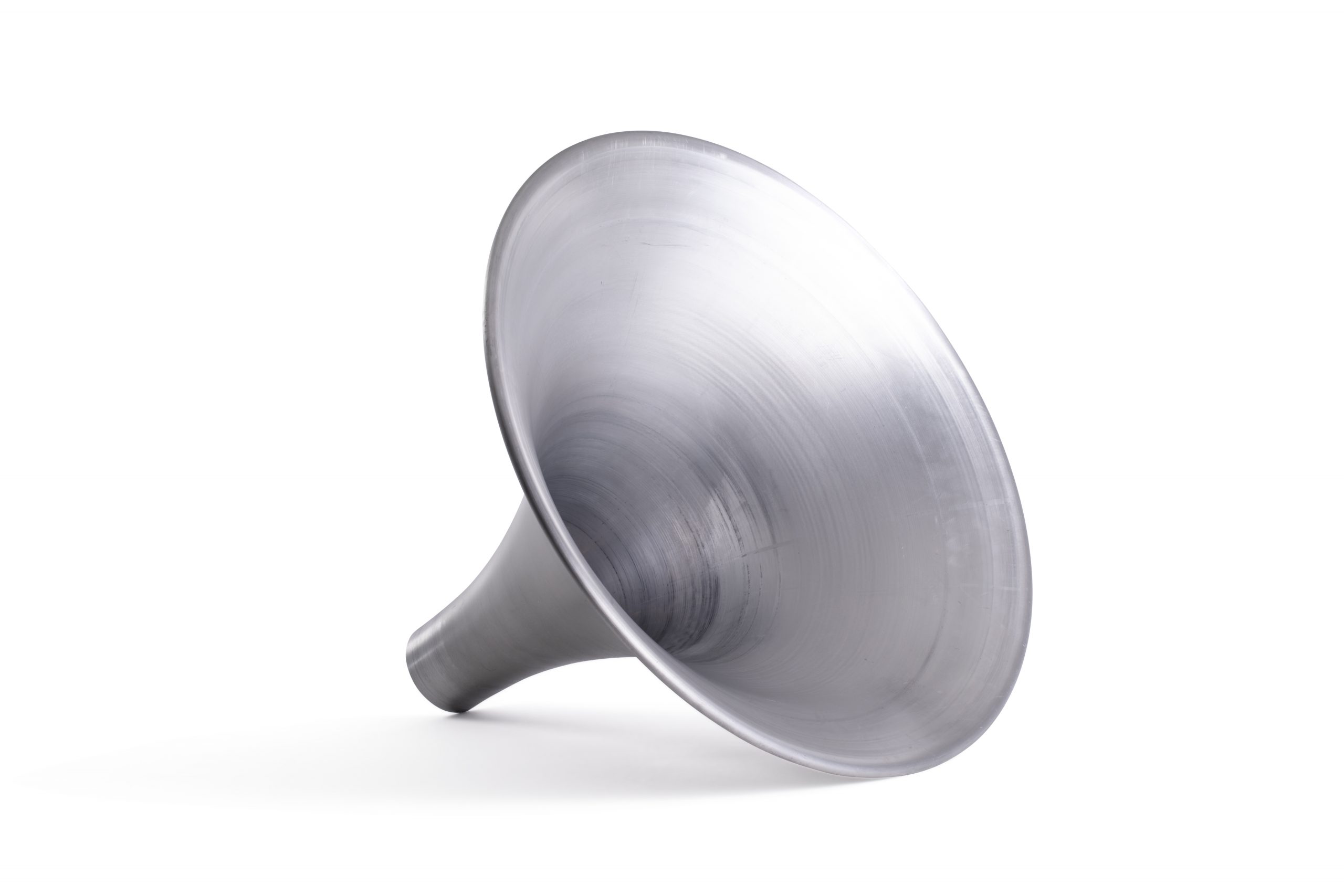
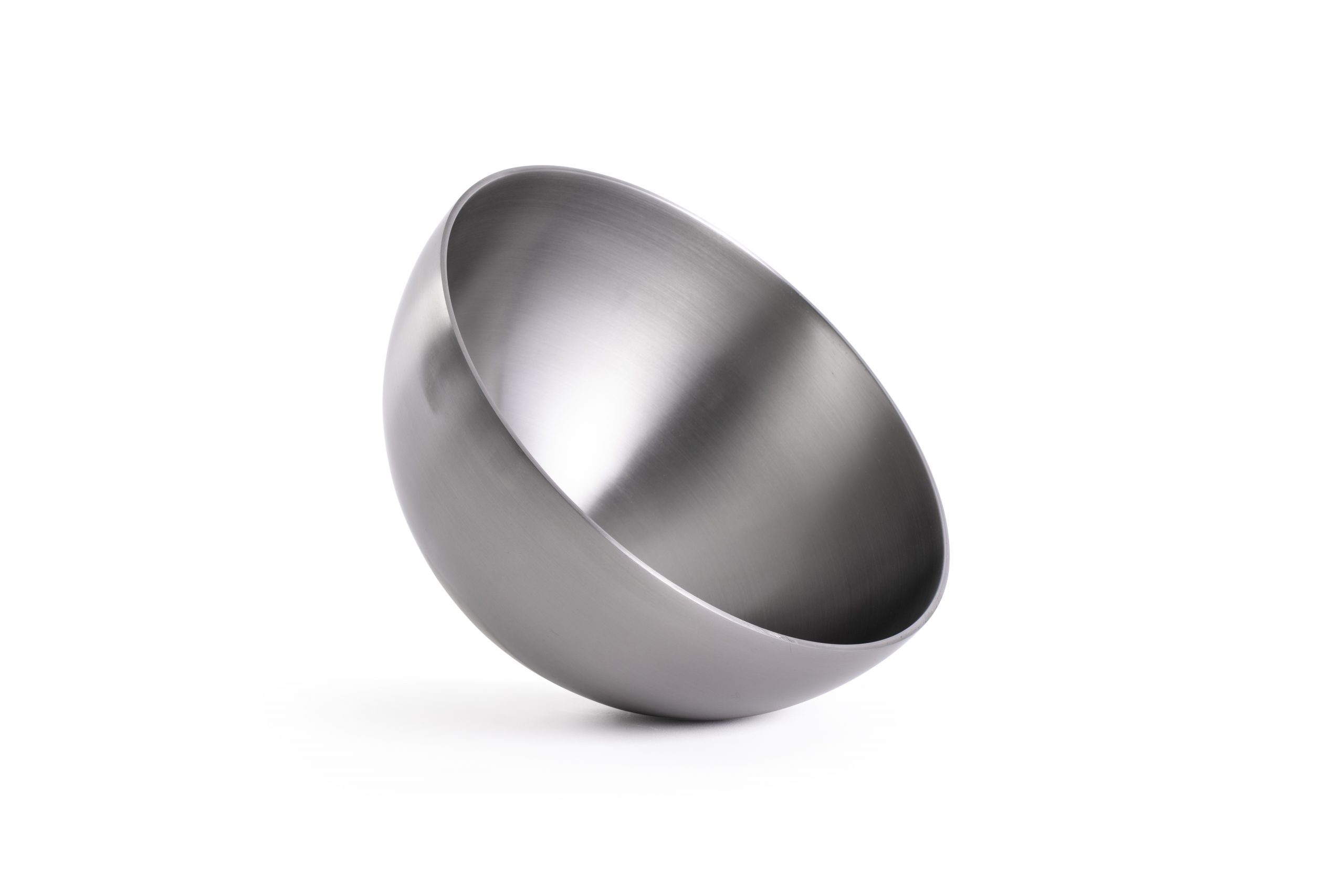
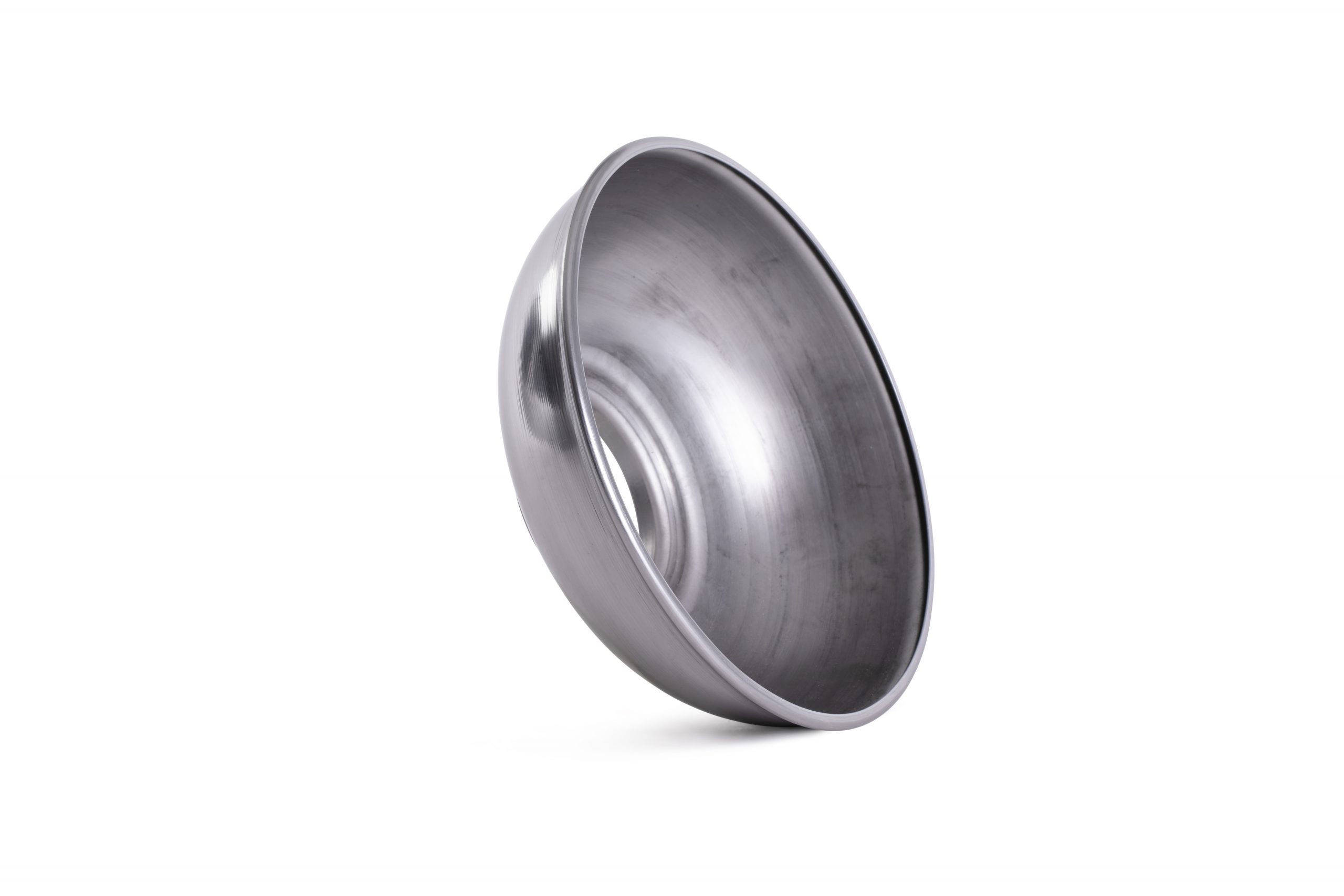
In practice the three processes complement each other. A spun cone or dished end may later need a reduced neck. A pressed shell may need a swaged lip so it locates on another assembly. When we compare spinning with other forming techniques, swaging is one of the add-on operations that turns a good spun part into a finished functional component.
The metal swaging process, step by step
Although machines vary, most production swaging follows a similar sequence.
That sequence is the same principle behind our expert metal swaging services: cold force, controlled dies, and a finished geometry that would be slow or wasteful to machine.
Sheet metal swaging tools
Talk of a “sheet metal swaging tool” can mean several things, depending on scale.
Hand and bench tools
These are used for light-gauge sheet, small tubes and site or workshop work. A typical kit uses interchangeable rollers or dies that crease, bead or reduce an edge. They are useful for HVAC duct, light fabrication and prototypes, but they are not a substitute for production dies when tolerances are tight.
Die sets
The production metal swaging tool is the die. Split rotary dies, solid reducing dies and profiled punches all fall under this heading. Die design has to allow metal flow, avoid folds, and leave enough material in the wall after reduction. Poor die geometry is the usual cause of cracking, ovality or an uneven wall.
Fixtures and feed tooling
Guides, collets and stops keep the workpiece concentric. On automated cells they also set the insertion depth so every part is formed in the same place.
Tooling cost is usually modest compared with deep-draw press tools, which is one reason swaging is attractive for medium volumes and for features added after a part has already been spun.
Sheet metal swaging machines
A sheet metal swaging machine applies force in a repeatable way. The main families are:
Rotary swagers
A rotating spindle carries split dies that open and close many times a second. The workpiece is fed into the die cluster. Rotary machines are the workhorses for tube reducing, pointing and tapering. They handle a wide range of diameters and are well suited to stainless and duplex when the machine is specified for the load.
Reciprocating or hammer swagers
Dies strike the work along its axis or radially. These machines are useful for certain rod and wire reductions and for forming ends that need a very specific hammered profile.
Roller and cage machines
Some sheet-oriented machines use rollers inside a cage, which is the arrangement often described when people talk about a sheet metal swaging machine for beading, wiring or reducing a cylindrical shell.
CNC and automated cells
Modern cells add programmed feed, measured reductions and in-process checks. That matters when the same feature must be repeated across a batch of spun or pressed parts. Automation does not remove the need for a skilled setter; it makes a proven setup faster and more consistent.
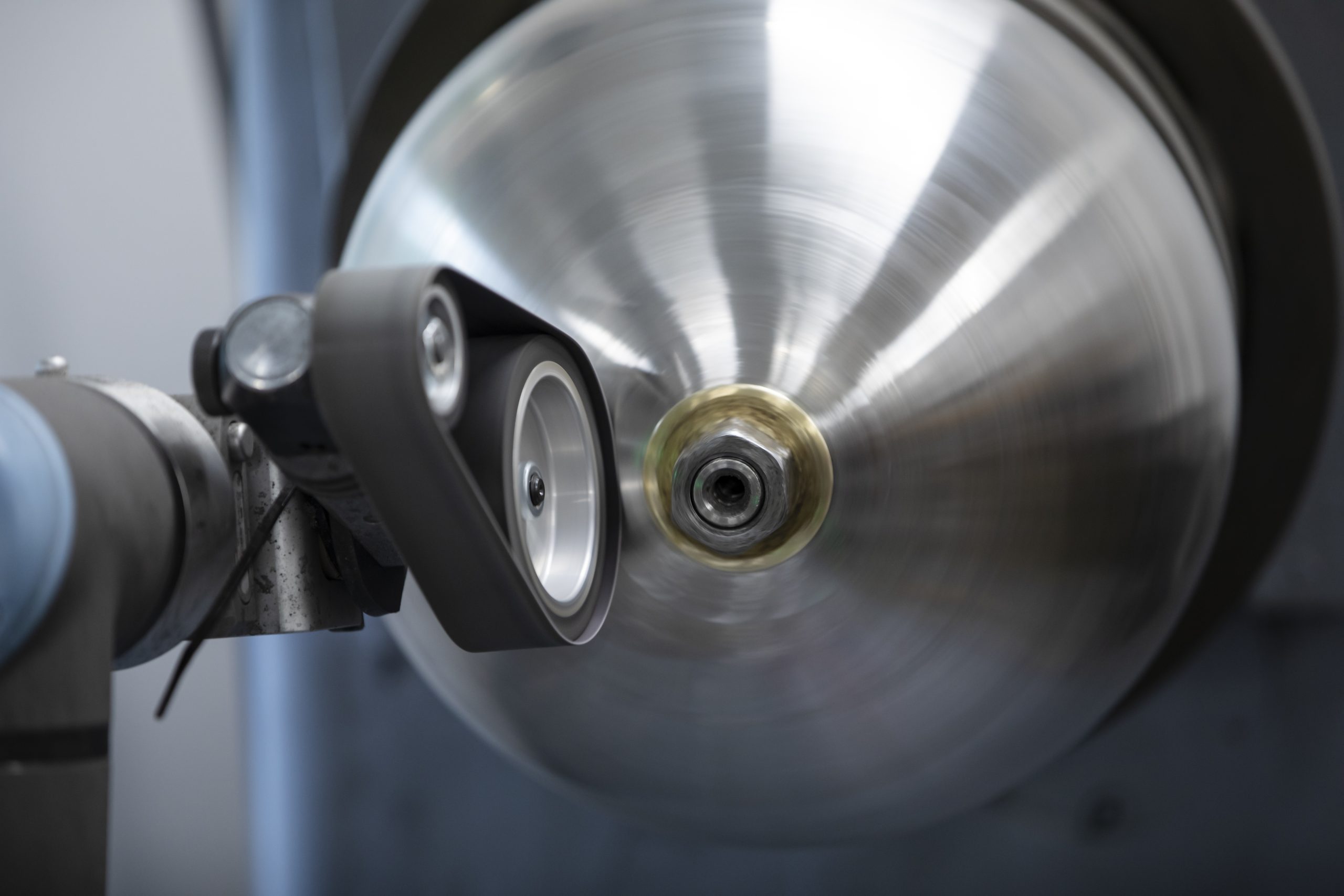
Tanfield’s swaging plant is maintained as part of the same facility as our spinning lathes and hydraulic presses, so a part can be spun, swaged and finished without leaving the building.
Metal swaging techniques in production
Rotary reduction
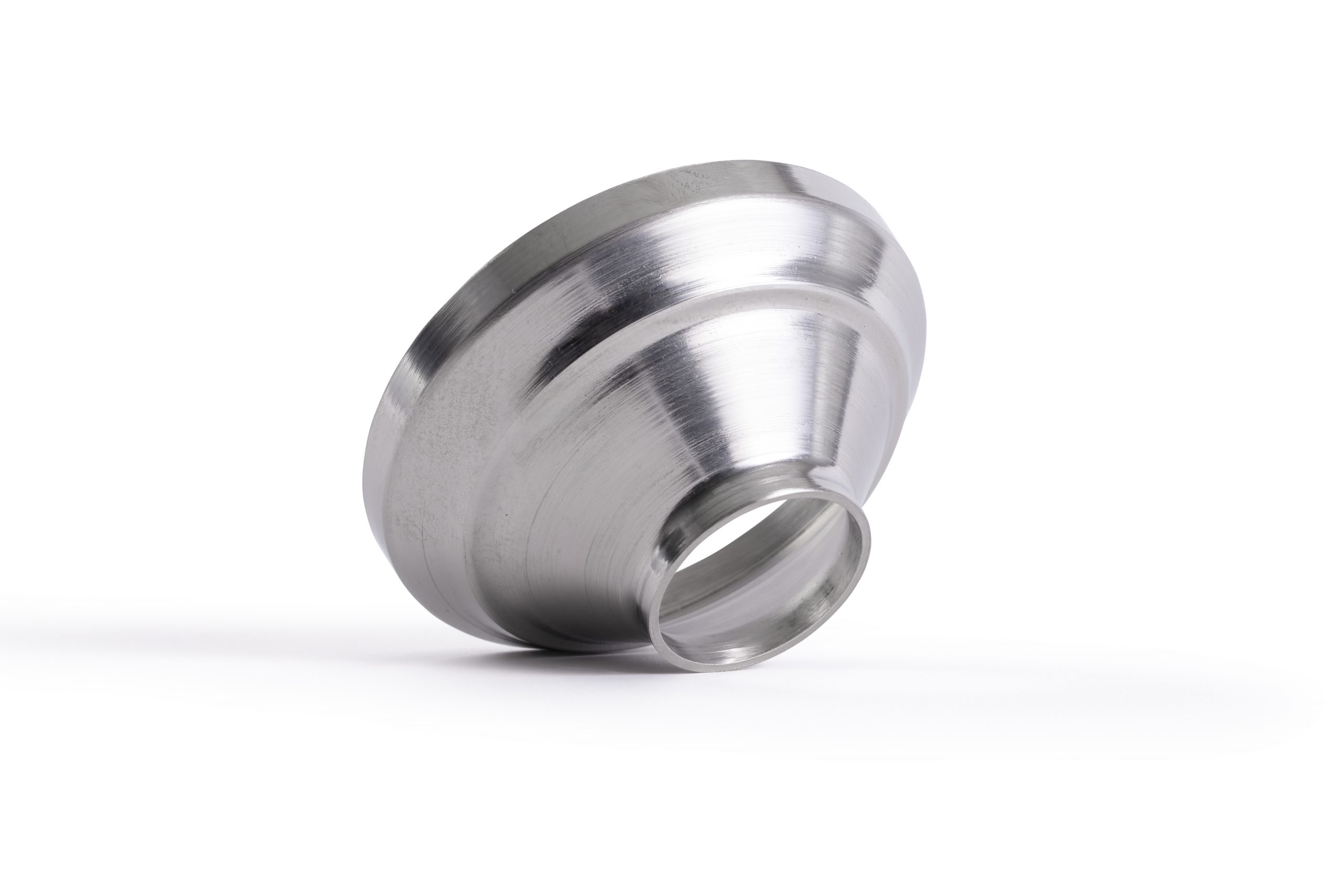
The most common industrial technique. Diameter is reduced in one or more passes. Wall thickness typically increases slightly as metal is displaced inward, which can be useful for strength at a neck or socket.
Tapering and pointing
Used to create a lead-in, a sealed tip or a profile that fits another component. Aerospace and safety assemblies often need this kind of controlled point.
Flaring and expanding
Swaging is not only about making things smaller. The same family of tools can open a tube end or form a collar so a joint can be made.
Section forming on sheet and shells
Beads, steps and local reductions on cylindrical sheet-metal parts. This is where a sheet metal swaging tool or roller cage is often specified rather than a rotary tube swager.
Combination routes
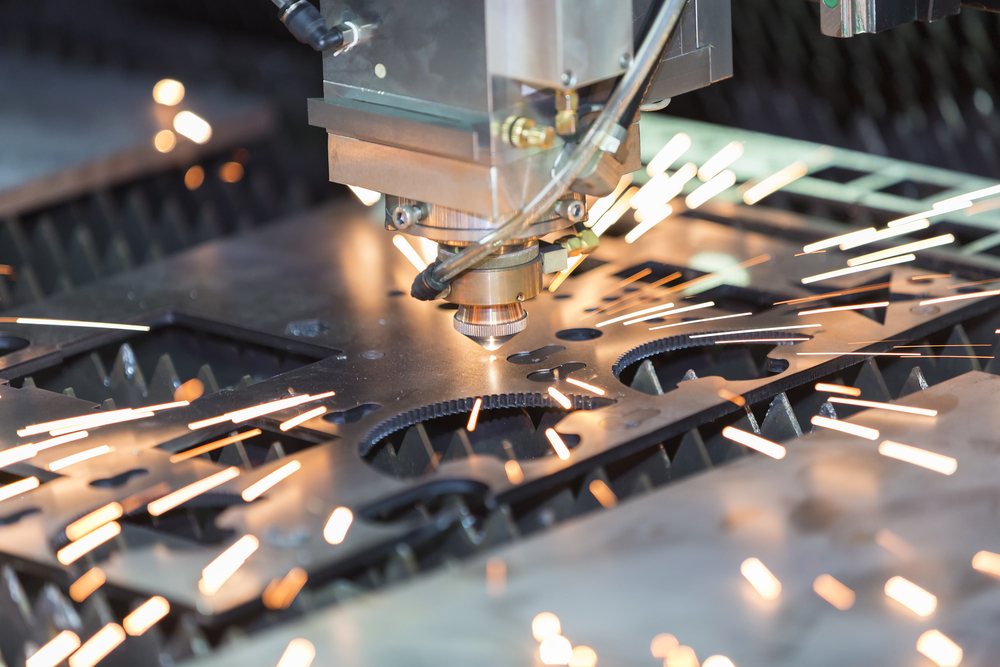
A part may be laser cut, spun, then swaged, then welded. Why swaging is used in metal forming comes down to that flexibility: you add a feature without starting the geometry from scratch.
Reductions must be planned. Too much reduction in one pass work-hardens the metal until it splits. Intermediate annealing is sometimes needed on stainless and high-nickel alloys. That is a process decision, not a reason to abandon swaging.
Materials that take well to swaging
Almost any metal that can be cold worked can be swaged, provided the machine and dies are matched to the job. In our shop that commonly includes aluminium, brass, copper, carbon steel, zintec, stainless steel, duplex, and selected nickel alloys. Titanium and some high-temperature alloys can be formed, but they need more conservative reductions and closer process control.
Material choice should follow the end use. Food and hygiene work often specifies stainless. Renewable energy and outdoor plant may need duplex. Lightweight assemblies lean toward aluminium. If you are unsure, it is better to agree the alloy and reduction sequence at quote stage than to discover a crack after the first production batch.
Where sheet metal swaging is used
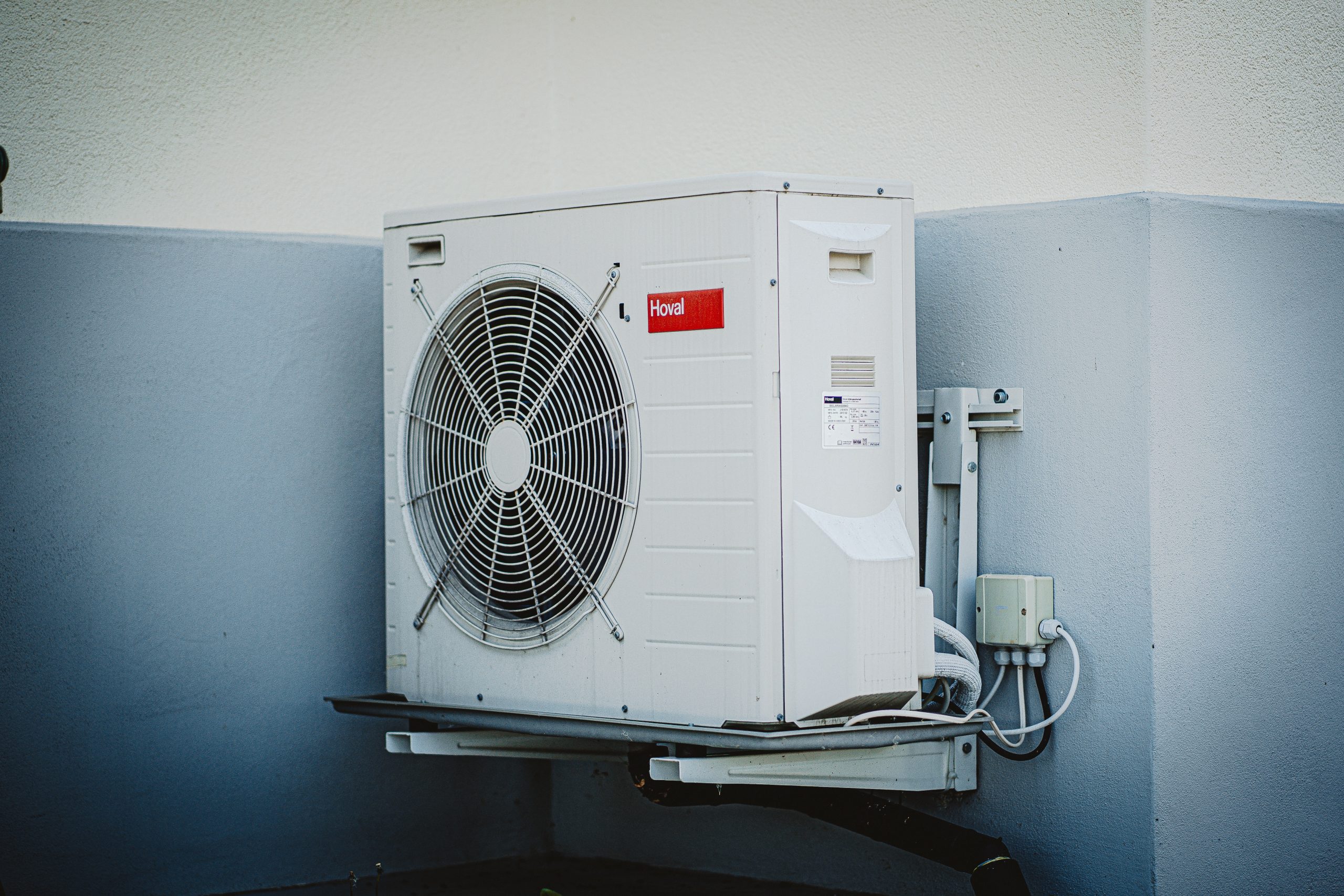
Because the process can create a strong, accurate change of section without a weld at that point, it appears across several of the sectors we already serve:
Swaging does not replace spinning for cones, hemispheres and large dished forms. It sits beside it. That is how we treat it on the shop floor.
Design points that keep swaging trouble-free
A few decisions at drawing stage save a lot of trial and error:
If you do not have a finished drawing, we can still quote from a sketch and produce manufacturing information, which is the same approach we take on spinning work.
Tanfield Metal Spinners has been forming metal in the UK since 1984. Swaging is part of a wider offer that includes spinning, pressing, machining, fabrication, welding and finishing, with quotes typically turned around quickly and lead times measured in weeks rather than months when tooling already exists.
If you have a tube, shell or sheet-metal detail that needs a reduced end, a taper or a formed feature, talk to the team with a drawing or a sample. We can advise whether sheet metal swaging, spinning, pressing or a combination will give you the strongest and most economical route.